
Laboratory Records
PEPTIDES BIO / MATERIAL RECORD
BPC-157 5mg
Research-use peptide material record: pack format, specifications and COA/SDS request for qualified laboratory review.
RESEARCH USE ONLYRUO
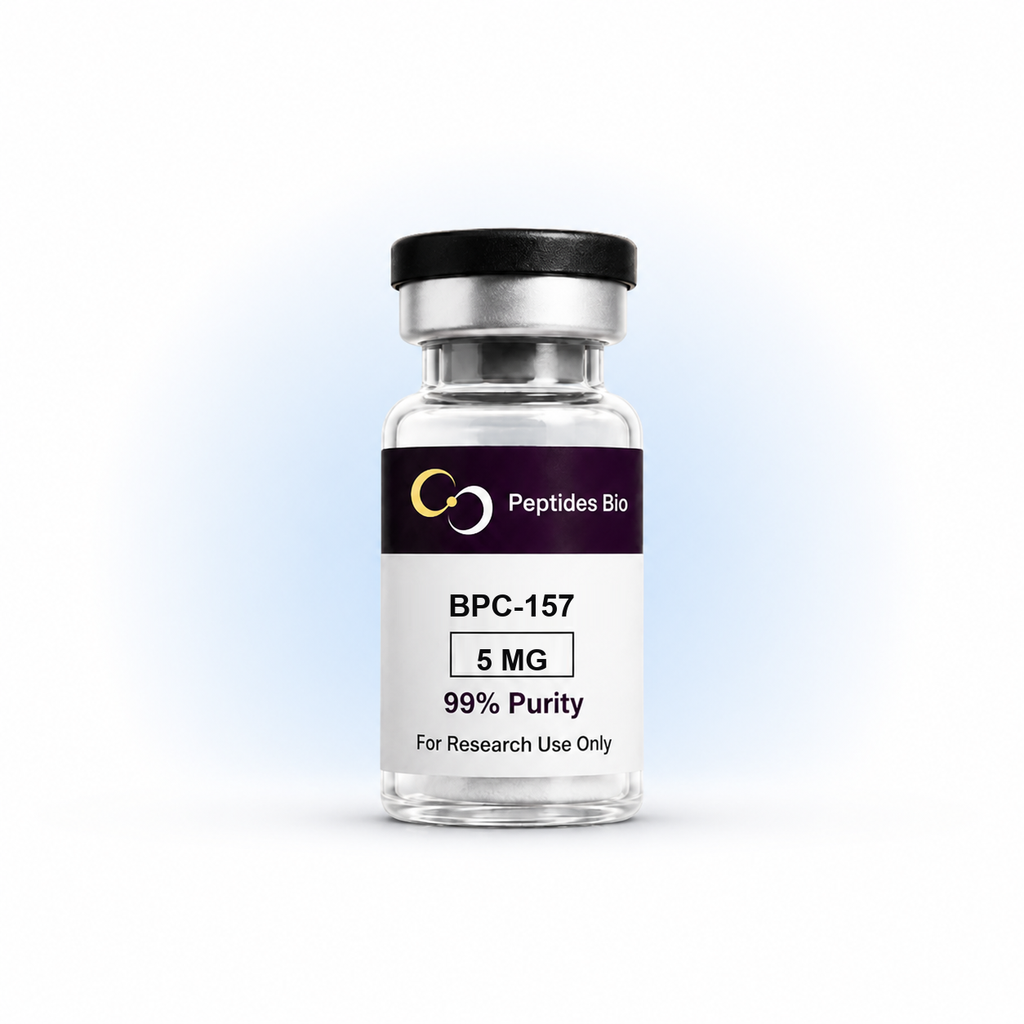
BPC-157 5mg
Important NoticeThis product is for use only in vitro research. It is strictly prohibited for human injection, clinical treatment, food addition or any animal experiments. Please read our terms and conditions carefully before placing an order.
Volume pricing
Configured totals update at each quantity threshold.
Configured total$13.57
Request COA / MSDS
Research record
Pending manual confirmationResearch overview
BPC-157 (Body Protection Compound 157) is a synthetic pentadecapeptide (15 amino acids) derived from research on naturally occurring gastric peptides. It is recognized for its stability and high resistance to enzymatic degradation, making it a valuable compound for controlled laboratory investigation. BPC-157 has been widely studied in preclinical models for its potential role in: Tissue regeneration research (muscle, tendon, and epithelial cells), Gastrointestinal studies, exploring protective effects on gut lining and gastric integrity, ,Angiogenesis and vascular modulation research, Neuroprotective and anti-inflammatory investigations These findings support continued interest in understanding BPC-157’s interaction with cellular growth and repair pathways in experimental contexts.
Research reference
Product FAQ
What is BPC-157?
BPC-157 is a synthetic 15-amino acid peptide derived from a protein found in human gastric juice, known as Body Protection Compound. It has been extensively studied for its tissue repair, healing, and cytoprotective properties.
What is the mechanism of action of BPC-157?
BPC-157 works through multiple mechanisms: promoting angiogenesis (new blood vessel formation), upregulating growth factor expression, modulating inflammatory responses, protecting vascular endothelial cells, and potentially interacting with cell membranes to activate intracellular signaling pathways. Studies also suggest some interaction with the growth hormone receptor, though its exact molecular targets are still under investigation.
Does BPC-157 have research value for nerve injury?
Yes. Studies show that BPC-157 protects neurons from excitotoxic damage, promotes peripheral nerve regeneration, and reduces cerebral edema and neurological deficits in traumatic brain injury models. However, whether it crosses the blood-brain barrier remains uncertain, and its neuroprotective mechanisms are still being explored.
What advantages does BPC-157 have over other healing peptides?
BPC-157 is unique in its pleiotropic nature—simultaneously promoting angiogenesis, modulating inflammation, supporting cell survival, and enhancing tissue regeneration. By contrast, TB-500 (thymosin beta-4) focuses more on actin binding and cell migration. The two have complementary mechanisms, and some research suggests combined use in certain protocols.
What are the main research areas for BPC-157?
· Muscle, tendon, and ligament injury repair
· Digestive system disorders (IBD, leaky gut, gastric ulcers)
· Joint health and bone healing
· Neuroprotection and traumatic brain injury recovery
· Skin wound healing
· Liver injury protection
Data sheet
Manual confirmation- Material Type
- Single material
- Purity Identity
- ≥99% purity
- Molecular Weight
- 1419.53 g/mol
- Pack Size
- 5mg
- Molecular Formula
- C62H98N16O22
- CAS Number
- 137525-51-0
- Amino Acid Sequence
- Gly-Glu-Pro-Pro-Pro-Gly-Lys-Pro-Ala-Asp-Asp-Ala-Gly-Leu-Val
- PubChem CID
- 9941957
- Storage conditions overview
- Storage typeLong-termTemperature-80°CDuration2-3 yearsNotesSealed, dark, minimal openingStorage typeStandardTemperature-20°CDuration1-2 yearsNotesSealed, dark, moisture-proofStorage typeShort-termTemperature4°CDuration1-2 weeksNotesTemporary storage, use promptlyStorage typeWorking SolutionTemperature4°CDuration1-7 daysNotesReconstituted, short-term, avoid freeze-thaw
Related research guides
Review before you request.
Quality & Documentation
BPC-157: Literature-Record Scope and Documentation Review
A research-use-only review of BPC-157 source scope, narrative-review limits, and separate documentation for received materials.Read guideProcurement & Quotes
Research Peptide Manufacturers: Mapping Roles Through Records
An evidence-map framework for separating legal entity, site, production-step, analytical-report, release-statement, seller, and distributor roles in research peptide procurement records.Read guideResearch Models & Evidence